2027: Tesla Sets New Date for Optimus Robot Deliveries
Musk cites hand durability and AI challenges as reasons for the delay, placing the timeline roughly in step with major rivals.
By Ishani Kapalli ·
The race to deploy general-purpose humanoid robots has officially entered its grinding phase. Tesla CEO Elon Musk confirmed on the Q3 2026 earnings call that the company will begin shipping Optimus units to external customers at the end of 2027, a notable shift from previous internal targets.
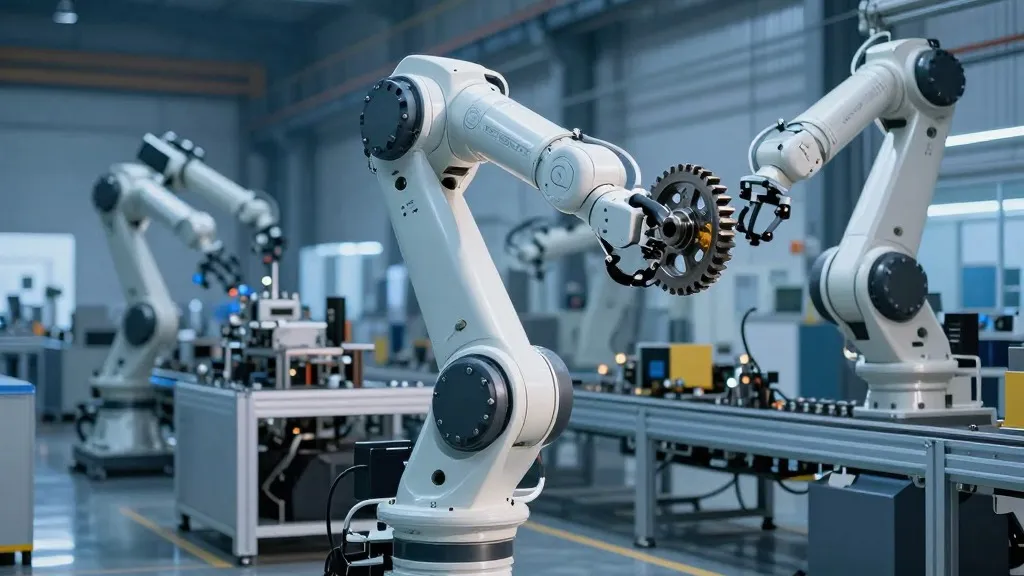
Musk identified three persistent hurdles: the AI architecture, the electromechanical design, and overall reliability. He noted that the robot’s hands are the primary hardware bottleneck, requiring fingers soft enough for delicate tasks yet durable enough to withstand constant industrial wear without the ability to heal like human skin. Custom gears also remain a concern for long-term durability.
The timeline has drifted repeatedly since 2024. Originally, Musk projected internal use in 2025 and high-volume external sales in 2026. By January 2025, he claimed 10,000 units would be built that year, though he later admitted none were performing useful work. Now, the focus is on solving core issues by late next year to enable deliveries for dangerous or repetitive industrial jobs.
Tesla has begun early production on a high-volume line in Fremont, formerly used for Model S and Model X. While infrastructure for a million units per year is largely installed, reaching a rate of 20,000 units weekly will take at least a year. To address the lack of a data-generating fleet, Tesla plans to build 10,000 to 20,000 robots for an “Optimus Academy” to practice tasks, with the AI5 chip integration scheduled for April 2027.
Competitors are advancing on similar timelines. XPeng activated an automated IRON production line in Guangzhou in September, with mass production planned for late 2026 and deliveries in early 2027. Meanwhile, Boston Dynamics has committed all 2026 Atlas deployments, including to Google DeepMind, and is training units at Hyundai’s Metaplant in Georgia. While Musk insisted no one is close to Tesla’s progress, these rivals are executing on comparable or slightly earlier schedules.
Tesla’s Q3 shareholder letter described current Fremont output as the first “production-quality” bots, implying prior units were not up to standard. Musk promised a video within two months showing unscripted robot tasks to demonstrate true generalization. For now, the industry remains stuck on the same fundamental challenges: creating hands that last, AI that adapts, and units that can actually pay for themselves.
The next 12 months will be critical. If Tesla can stabilize the hand design and AI architecture by late 2027, it may solidify its lead in a crowded field. However, with rivals like XPeng and Boston Dynamics already automating their own lines and securing early customers, the window for Tesla to establish an unassailable advantage is narrowing.
Source: Electrek