Space Force rejected for third time as Spanish rocket nears launch
SpaceX declined three military contracts, while PLD Space prepares its Miura 5 for a 2027 debut and Canadian rival Reaction Dynamics seeks major funding.
By Miguel Hernandez ·
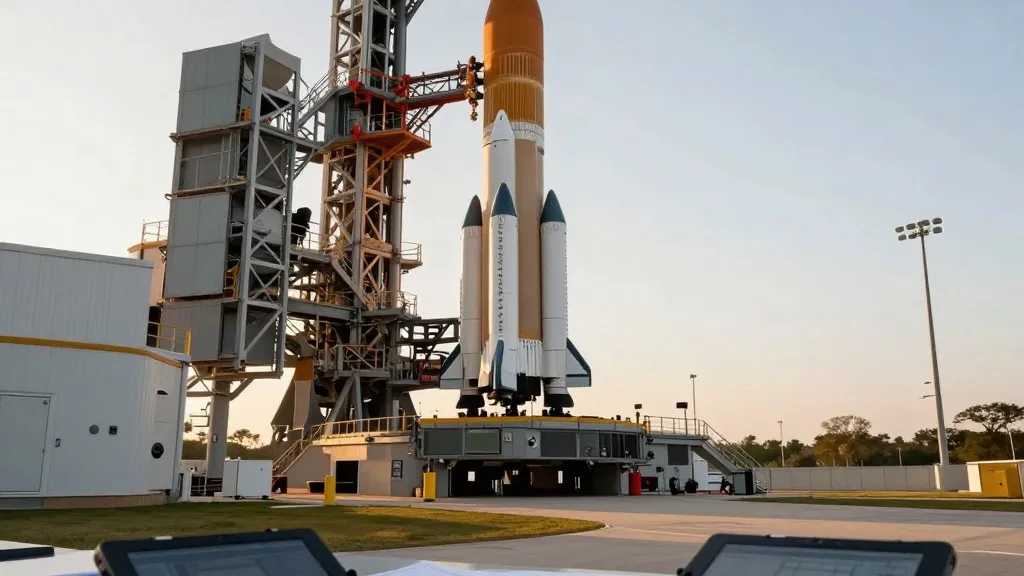
Three is the number that defined this week’s aerospace headlines, appearing in two very different contexts that highlight the shifting tides of the commercial launch industry. For SpaceX, the figure represents the number of military launch contracts offered by the US Space Force that the company has now officially declined. For PLD Space, the number signifies the total count of Miura 5 rockets already manufactured in preparation for its upcoming inaugural flight. These developments, reported this week, underscore a period of strategic recalibration for major players in the space sector as they balance commercial viability with government demands and technical readiness.
The most significant move came from SpaceX, which communicated its decision to the US Space Force on Thursday. The company essentially told the military branch that, for now, it was passing on the opportunity to handle three specific launch missions. This rejection comes at a critical juncture where the US military is increasingly reliant on commercial providers for its orbital access needs. By turning down these contracts, SpaceX is signaling a focus on other priorities, potentially reserving its capacity for private sector clients or its own ambitious Starship program, which continues to dominate the civil space landscape.
Alongside the military contract news, a NASA safety panel provided a detailed look at the technical challenges facing SpaceX’s Starship vehicle. The panel indicated that a lunar landing mission supported by Starship could require as many as 22 in-orbit refueling operations. This high number of refuelings presents a significant logistical hurdle, requiring precise coordination and repeated docking maneuvers in space. The assessment highlights the complexity of the architecture required to send crewed or cargo payloads to the Moon using the current Starship design, adding a layer of caution to the otherwise rapid development timeline.
While SpaceX makes headlines with its large-scale decisions, smaller players are making steady progress on their own timelines. PLD Space, a Spanish rocket manufacturer, reported that its Miura 5 rocket is nearing final integration. The company aims to launch this small-lift vehicle before mid-2027, a target that appears increasingly realistic given the current manufacturing status. Aviation Week reported that PLD Space has already built three of these rockets, with two specifically designed to test and qualify key system components before the first operational flight.
Raúl Torres, the CEO of PLD Space, emphasized the efficiency gained from this multi-vehicle approach during a program update on October 19. He noted that manufacturing three vehicles allowed their teams to work continuously across various production and integration stages. This parallel workflow enabled the engineers to apply lessons learned from each qualification campaign directly to the launch vehicle, reducing overall development risk. The strategy appears to be paying off as the company moves closer to its maiden flight.
Currently, one Miura 5 second stage is fully integrated and has begun system-level testing under conditions that mimic actual operation. This stage is located at PLD’s test facility in Teruel, where it is undergoing a rigorous qualification campaign. The testing schedule includes a wet dress rehearsal and a static hot-fire test, both of which are critical for validating the engine and structural integrity of the upper stage. These tests are essential steps before the rocket can be cleared for its orbital attempt next year.
On the other side of the Atlantic, Canadian launch startup Reaction Dynamics is making aggressive moves to scale up its operations. The company, which is one of three prominent Canadian launch startups, has announced it is seeking to raise $350 million. This capital injection is intended to significantly expand its workforce, growing from its current staff of 68 employees to more than 350 people. Such a rapid expansion suggests a high level of confidence in the company’s upcoming rocket developments.
Reaction Dynamics is developing the Aurora rocket, a small-lift vehicle that the company hopes will reach orbit by 2028. In addition to this near-term goal, the company has outlined plans for a medium-lift rocket named Borealis, with a debut targeted for 2031. The dual-track development strategy allows Reaction Dynamics to address different market segments, from small satellite deployments to larger payloads, while building the infrastructure and expertise needed to support both vehicles.
These combined developments paint a picture of a space industry that is both competitive and collaborative in its pursuit of cost-effective launch solutions. While SpaceX navigates complex relationships with government clients and technical safety reviews, smaller companies like PLD Space and Reaction Dynamics are pushing forward with their own hardware and fundraising efforts. The next few months will be crucial as these companies move from integration and testing phases toward actual launch attempts, potentially reshaping the global launch market.
As the industry moves forward, the focus remains on execution. For PLD Space, the successful completion of the Miura 5 qualification tests will be the first major milestone of 2027. For Reaction Dynamics, the ability to close its funding round and hire the necessary personnel will determine the pace of its Aurora development. And for SpaceX, the decision to pass on military contracts may influence how it allocates its resources in the coming year, particularly as it works to refine the refueling process required for its lunar ambitions.
Source: Ars Technica