Spain's Iconic Daily Lunch Under Pressure
Rising costs and shifting habits threaten the traditional midday meal that has defined Spanish working life for decades.
By Noor Haddad ·
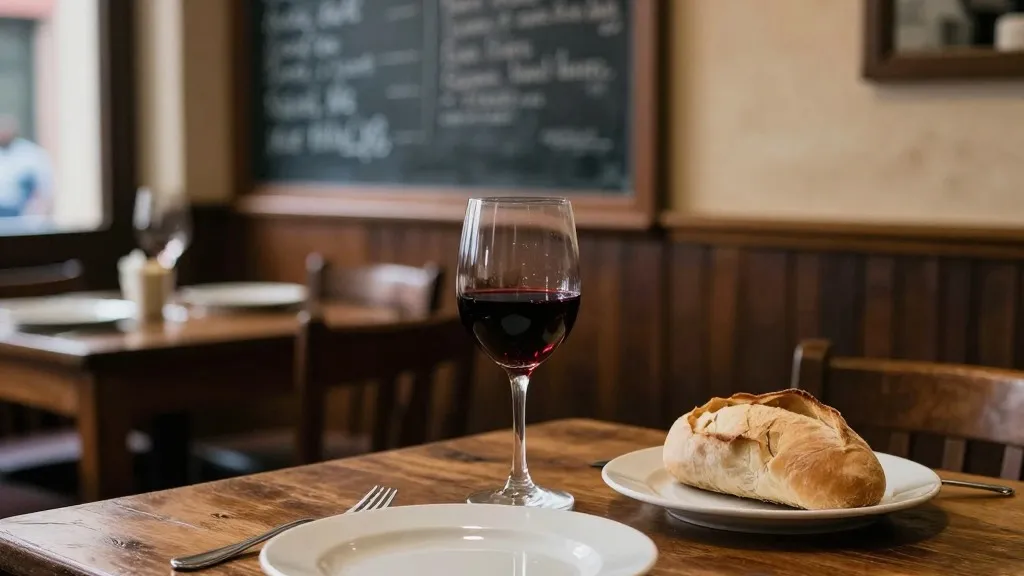
For over half a century, the midday pause in Spain has been defined by a specific culinary ritual that offers a structured, affordable meal to the working population. This tradition, known as the menú del día, is now facing significant headwinds due to economic pressures and changing lifestyle patterns.
Approximately four million of these set-price lunches are still served on any given weekday. However, the practice is gradually losing its grip on daily life. In 2009, renowned chef Ferran Adrià declared the custom obsolete, citing economic downturns and the rise of bistro-style dining that charges 20 to 30 euros for a simple three-course meal. That prediction has not fully materialized, yet the habit is undeniably waning.
The history of this meal is less romantic than many Spaniards realize. Spanish food journalist Lakshmi Aguirre explores this lineage in her new book, Menú del Día: Everyday Scenes of a First Course, a Second Course and Pudding. She notes that the menu originated in the mid-1960s as a tool for tourism under the dictatorship of Francisco Franco. The regime, eager to display abundance after the post-civil war "years of hunger," mandated that restaurants offer a soup, a main course of egg, fish, or meat with at least three options and a side, plus a dessert of fruit, sweets, or cheese.
Prices were strictly regulated between 50 and 250 pesetas. To ensure quality, the law required the accompanying quarter-liter of wine to be a pure, clean, and pleasant Spanish red or white with a minimum alcohol content of 12 percent. In the early 1970s, the name was changed to distance the meal from its tourist origins and encourage local workers to dine out.
Aguirre observes that many Spaniards are surprised to learn of the menu's political roots. "It says a lot about us Spaniards; we forget very quickly," she said. She views the menu as a reflection of the country's social evolution and notes a growing sense of nostalgia as the tradition fades.
Current economic realities are straining the model. The average price has risen to 14.70 euros. Time-poor workers often opt for quick alternatives, such as bringing food from home or microwaving supermarket meals. Small, family-run restaurants struggle with rising energy and food costs, leading some to simplify their offerings to a single "dish of the day." Others have adapted by incorporating Latin American staples to reflect Spain's shifting demographics.
Aguirre accepts these changes, arguing that the menu has always mirrored the society that consumes it. Her ideal version includes simple dishes like vegetable stew, hake in green sauce, or baby squid in ink, followed by leche frita or rice pudding. She advises diners to look for venues with regularly changing menus, fresh chips, and a chorus of regulars. She suggests avoiding places where chalkboards feature words like avocado, burrata, tartare, truffle, or sourdough bread.
Beyond economics, the loss of the menú represents a decline in social connection. Aguirre describes it as a vital meeting point where families with limited means can eat out and people living alone find companionship. She argues that the true value of the meal lies not just in affordability, but in the time it provides to enjoy a shared experience.
As the midday break continues to shrink in modern work cultures, the fate of the menú del día remains uncertain. It serves as a barometer for how Spain balances its culinary heritage with the demands of contemporary life, raising questions about what will be lost if this daily ritual disappears entirely.
Source: The Guardian