Wolves Invade Finnish Villages as Google's AI Expansion Turns Forests to Mud
Displaced wild animals are entering residential areas near unauthorized data center construction sites in eastern Finland, prompting new safety concerns for local residents.
By Neha Iyer ·
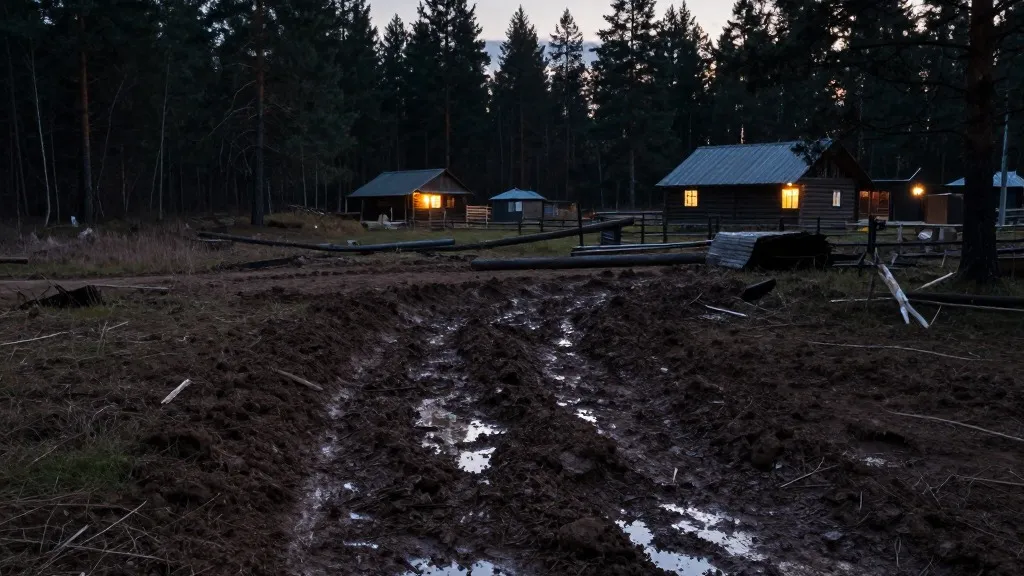
The quiet rhythm of life in several eastern Finnish villages has been disrupted by an unexpected visitor: the wolf. Residents of communities near Muhos and Otanmäki report that packs of wolves, along with other displaced wildlife, are now roaming through their neighborhoods. This shift in animal behavior is a direct consequence of massive land disturbances caused by the construction of new artificial intelligence data centers. What was once a stable forest ecosystem has been rapidly transformed into open, muddy terrain, forcing animals to seek new territories closer to human habitation.
The scale of the environmental impact is substantial. Google, the American technology giant behind the projects, has cleared approximately 1,300 acres of forest across the two sites. Specifically, 816 acres near Muhos have been reduced to an expanse of mud, while roughly 500 acres of forest 55 miles southeast of Otanmäki have also been stripped of their vegetation. These figures highlight the physical footprint of the infrastructure required to support growing AI demands, turning dense woodland into flat, barren ground.
Local residents are feeling the effects of this displacement firsthand. Anni Ranta, 53, who has lived in Otanmäki for generations, explains that the change is visible and immediate. “We had wolves coming into the village because all the wild animals moved out of the forest,” Ranta stated. Her family, like many others in the area, is now navigating a landscape where the boundary between wild and residential spaces has blurred significantly.
Ranta’s concerns extend beyond the immediate presence of wildlife. She also expressed fear that the U.S.-owned infrastructure could make Finland a more attractive target for Russian aggression, adding a layer of geopolitical anxiety to the local environmental dispute. This sentiment reflects a broader unease among some locals who feel the rapid expansion of foreign tech infrastructure is reshaping their region in ways that were not fully anticipated.
The situation has drawn sharp criticism from environmental groups and regulatory bodies. A representative for the Finnish Association for Nature Conservation (SLL) described Google’s handling of environmental policy as unprecedented and clearly flawed. The Finnish Licensing and Supervision Authority (LVV) has taken formal action, issuing an order for Google to cease work at the cleared sites near both Muhos and Otanmäki. This regulatory intervention marks a significant escalation in the tension between the tech company and Finnish authorities.
In response to the stop-work order, a Google spokesperson maintained an optimistic tone. “We will fully comply with LVV’s requests in this matter,” the spokesperson said. The company emphasized its desire to maintain an active and open dialogue with authorities to strengthen its partnership with Finland and local organizations. This official stance suggests that Google is banking on the long-term economic benefits of the data centers to keep the project moving forward once the immediate regulatory hurdles are addressed.
This conflict is part of a larger global pattern where AI developers face backlash over the environmental costs of their infrastructure. Locals in Finland have cited various issues, including construction noise, streams turning brown from runoff, and the displacement of rare bird species. These complaints mirror those seen in the United States and other countries, illustrating a recurring tension between the urgent need for computing power and the preservation of local ecosystems.
The stakes for the region are high. If the construction resumes, the displaced wildlife will continue to search for habitat, potentially increasing interactions with humans in nearby villages. For residents, the arrival of wolves signals a profound change in their environment. For Google, the challenge is balancing its rapid expansion with the need to restore trust with both regulators and the communities hosting its most critical AI infrastructure.
The outcome of this dispute will likely set a precedent for future data center projects in Finland. Whether the muddy expanses near Muhos and Otanmäki are eventually restored or remain permanent fixtures of the digital landscape depends on the resolution between Google and the Finnish authorities. For now, the wolves are watching, and the villages are waiting.
Source: Tom's Hardware