Amazon scraps four data centers in Virginia, donating 25 acres to the county
After local opposition, Amazon is converting 122 acres near Washington D.C. into homes and a community center instead of AI servers.
By Samir Nasser ·
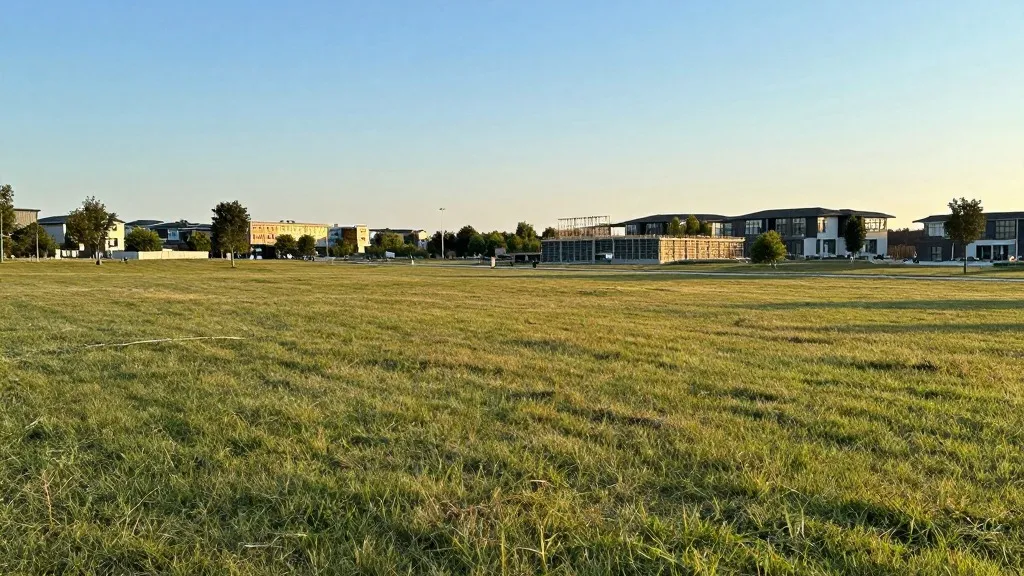
Amazon has officially abandoned its plans to construct four new data centers in Loudoun County, a move that ends a months-long dispute with local residents who opposed the project. Instead of the massive server facilities, the company will repurpose the majority of the 122-acre site, formerly the George Washington University campus, for mixed-use and residential development. This shift marks a significant change in strategy for the tech giant in a region that is already known as a hub for digital infrastructure.
The land itself is a major factor in this decision. The property is located just outside of Washington, D.C., in a county often referred to as Data Center Alley because it holds the largest concentration of such facilities on Earth. Amazon originally submitted its proposal to build the new centers in July. However, the plan faced considerable resistance from the local community, who raised concerns about the noise levels generated by the equipment and the massive amount of power these buildings require to operate. These local worries reflect a broader trend where residents are becoming more vocal about the physical footprint of AI infrastructure.
To sweeten the deal, Amazon is not just changing the use of the land. The company has agreed to donate 25 acres of the property directly to Loudoun County. This land will be used to build a new community arts center and a recreational facility. Furthermore, Amazon will provide a $5 million contribution to the county’s housing fund. This financial package aims to address some of the core grievances that neighbors had regarding the project’s impact on their quality of life and local resources.
Josh Weissman, Amazon’s vice president for data center development, explained the company’s reasoning for the pivot. He noted that Amazon had been eager to purchase the former university campus when the opportunity first appeared. However, the company carefully considered the county’s pointed concerns about developing data centers at that specific location. Weissman stated that while Amazon viewed the legal development potential of the property differently than the county did, they concluded that finding a shared vision was better than engaging in costly litigation. The company wanted to come together on a plan that worked for both sides.
The decision comes at a time when the demand for data centers is spiking due to the rapid growth of AI applications. While new facilities are necessary to support cloud services and storage, the boom in AI has increased the size and power needs of these buildings. This surge has led to growing opposition from local communities who worry about rising electricity prices and other environmental impacts, including water shortages. In response, officials have been looking for ways to ease the friction between developers and residents.
This local negotiation aligns with broader political discussions happening at the national level. Just days before this news broke, President Donald Trump issued a call for data center builders and major AI companies to pay dividends to local communities. This was in response to energy-related price increases. The President suggested that data centers should generate their own electricity and even sell or give excess power back to the local grid. These proposals highlight the increasing political attention on the energy costs associated with the AI boom.
Phyllis J. Randall, the chair of the Loudoun County Board of Supervisors, highlighted the positive outcomes of the negotiation. She noted that by choosing dialogue over reflexive disagreement, the county and Amazon created a better opportunity for the region. Randall emphasized that the new agreement provides places for residents to gather, create, and play. For her, the most important benefit is the provision of more attainable homes for working families, addressing a key housing need in the area.
The situation in Loudoun County illustrates a larger challenge facing the technology sector. As AI demand continues to drive the need for larger and more power-hungry facilities, the relationship between tech companies and local communities is becoming more complex. Residents are no longer passive observers; they are actively shaping where and how these centers are built. The outcome in Loudoun shows that negotiation can sometimes lead to a compromise that benefits both the developer and the neighborhood, even if it means swapping servers for housing and community spaces.
For Amazon, this decision allows it to maintain a presence in the region without the immediate friction of a contested construction project. The company can still utilize the site, albeit for different purposes, while strengthening its relationship with local officials. For Loudoun County, the move brings tangible benefits in the form of new housing, a community center, and financial support. It serves as a case study in how local governments and large corporations can navigate the pressures of the AI era, balancing technological growth with community needs.
Source: Tom's Hardware