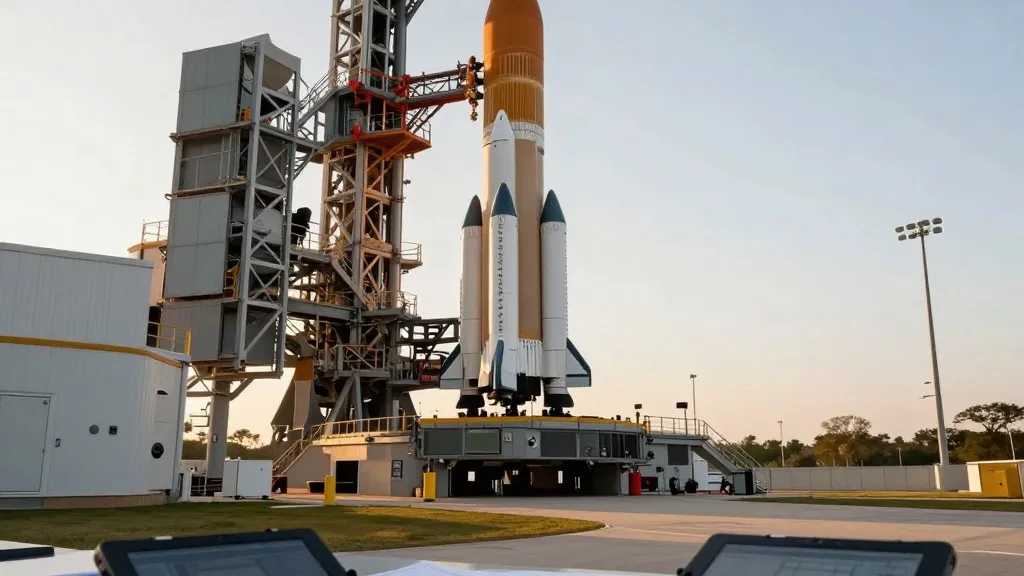
Lunar Return: NASA Realigns Artemis Strategy
The agency has updated its roadmap for crewed Moon landings by adjusting docking procedures for SpaceX and Blue Origin vehicles.
By Mei Lin ·
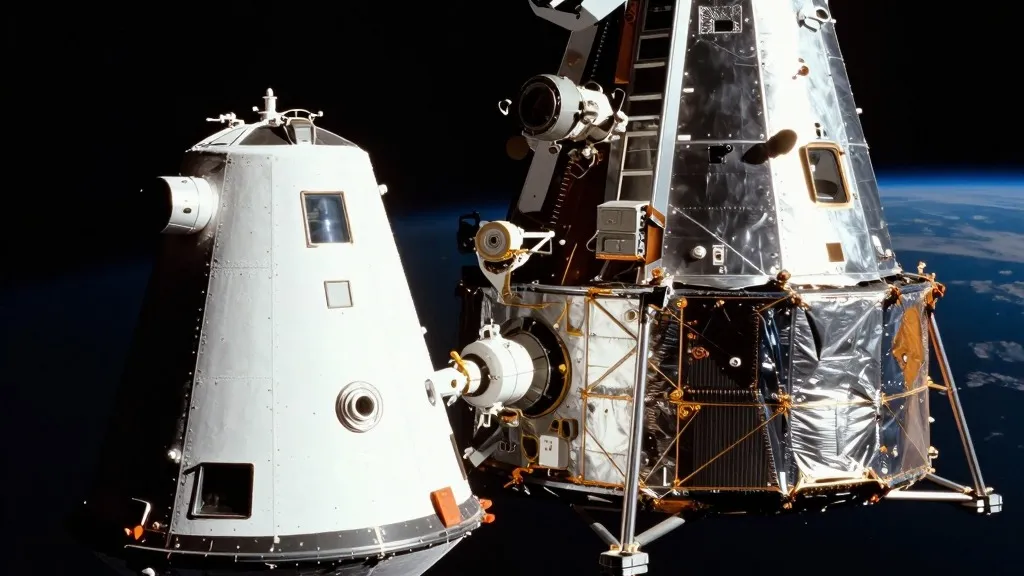
NASA has fundamentally restructured its plans to return humans to the Moon, acknowledging that previous architectural choices created unnecessary hurdles. During a detailed press conference on Friday, agency officials revealed significant changes to how the Orion spacecraft will interact with private landers. The core tension of the new plan lies in where these vehicles meet. Instead of complex maneuvers near the Moon, the focus has shifted to simpler rendezvous points in Earth orbit. This shift aims to reduce risk and accelerate the timeline for the first crewed landing.
The most notable change affects SpaceX. Under the revised architecture, the Orion capsule will now dock with the Starship lunar lander in high Earth orbit. This connection happens before the combined vehicle travels to the Moon. Previously, the plan required a difficult docking in a specific orbit around the Moon. That requirement demanded more energy and presented technical challenges for the Starship team. By moving the docking phase to Earth orbit, NASA removes a major bottleneck for SpaceX engineers.
Blue Origin faces a different set of adjustments. The agency’s plan for the Blue Moon lander involves four separate launches of the New Glenn rocket. Crucially, this sequence does not require any refueling operations between spacecraft in space. This simplifies the mission profile significantly. Additionally, the new design allows for the possibility of the Blue Moon lander rendezvousing with Orion in low lunar orbit. This flexibility gives the agency more options as it prepares for the final approach to the surface.
The agency remains confident in its current trajectory. NASA Administrator Jared Isaacman stated that the path forward is achievable. He noted that the agency has the mandate, resources, and stakeholder support necessary to execute the plan. The goal is to launch the Artemis III mission by the summer of 2027. This mission will serve as a demonstration, involving docking procedures with both the Blue Moon and Starship vehicles near Earth. Following that, the agency is tracking toward a 2028 launch for Artemis IV. That mission will mark the actual landing of astronauts on the lunar surface.
The restructuring comes after a period of intense review. NASA leaders examined every element of the Artemis Program to identify where changes could help partner companies. The decision to cancel the Lunar Gateway earlier this year played a key role in solving the docking issue for SpaceX. The Gateway was originally designed to serve as a staging platform in lunar orbit. Its cancellation removed the need for the complex near-rectilinear halo orbit docking that had troubled SpaceX engineers since early 2026.
SpaceX had specifically requested the removal of that requirement during recent meetings with NASA. Engineers argued that the old orbit required excessive energy and introduced other difficulties. By eliminating that constraint, NASA has aligned its goals with the technical realities of the Starship vehicle. This move represents a substantial change in the program's architecture. It marks the first time the agency has laid out these detailed changes publicly, moving beyond earlier reports and speculation.
While the new plan is more straightforward, questions remain about the tight schedule. The agency must now prove that it can hold to the 2027 and 2028 dates. The success of the Artemis program depends on the ability of both SpaceX and Blue Origin to execute their revised roles efficiently. The shift from complex lunar orbits to simpler Earth-based docking represents a pragmatic approach to a difficult problem. As the next year unfolds, the focus will turn to whether this streamlined path can deliver on its promise of a rapid return to the Moon.
Source: Ars Technica