Meta Deploying Google TPU Chips to Power Artificial Intelligence Services
The arrangement enables the social media giant to operate artificial intelligence workloads using Google's hardware without relying on Nvidia graphics processors.
By Jennifer Paige ·
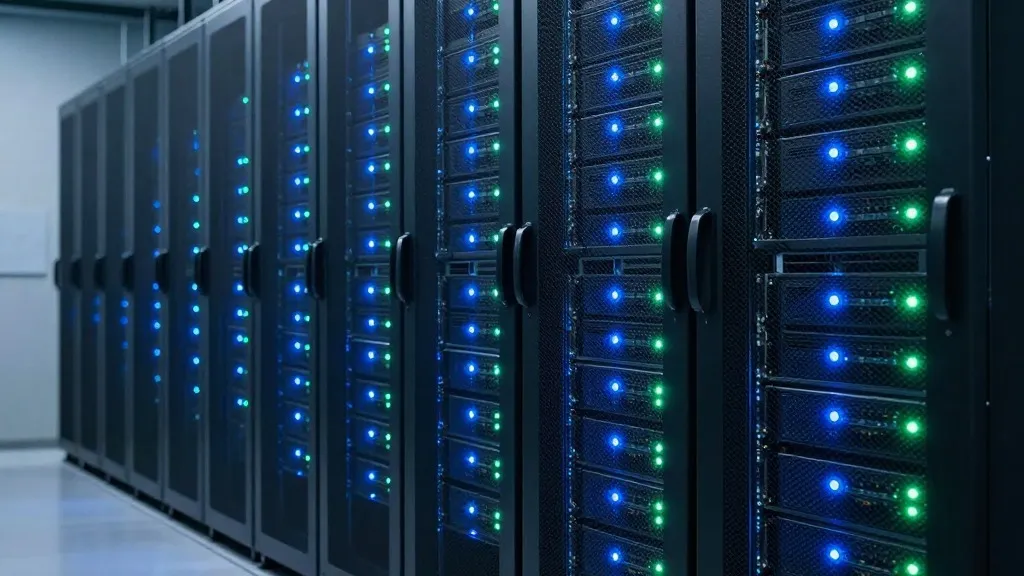
Meta, the company behind Facebook and Instagram, is now operating artificial intelligence systems on Google's custom processors. This shift alters how the company handles its computing needs by moving away from a reliance on Nvidia graphics chips. By utilizing Google's tensor processing units, Meta can power its services through a different provider's hardware infrastructure.
The technical barrier that previously prevented this transition has been removed. For years, Meta's PyTorch artificial intelligence framework was incompatible with Google's chips without significant modification. Google has released new versions of popular inference engines, SGLang and vLLM, designed specifically to run on PyTorch natively. This allows Meta to move its models onto Google's processors without needing to rewrite its software or switch to a different programming language.
Meta executives have confirmed the systems are currently operational. Zongwei Zhou, who leads the PyTorch and TPU integration efforts at Meta, stated that the software is running in production. He described the outcome of the collaboration as providing a remarkably mature, PyTorch-native serving stack. Jana van Greunen, director of PyTorch engineering at Meta, emphasized that the company cannot be constrained by a single hardware architecture.
The performance data indicates that Google's hardware can compete with Nvidia's offerings in specific scenarios. Tests conducted by Inferact showed that a configuration utilizing Google's seventh-generation Ironwood processor could generate over 700 tokens per second for a single user. This setup was compared against a comparable Nvidia configuration using GB200 chips, which produced 452 tokens per second. The Google system demonstrated significantly higher speeds for that specific benchmark.
This agreement marks a new chapter in the relationship between Meta and Google regarding hardware. In the past, Meta utilized Google's technology to build PyTorch on TPUs between 2020 and 2023, but those contracts were eventually canceled. The companies have since engaged in new discussions regarding rentals for 2026, with potential purchases planned for 2027. Meta has reportedly signed a multi-year rental agreement for these resources.
The announcement is part of a broader industry push to support diverse hardware platforms. Google's release of software that works with PyTorch followed Amazon's decision to open-source tools for its own artificial intelligence chips. Both actions aim to allow developers to choose their processing hardware freely rather than being tied to Nvidia's software environment.
Developers will soon have additional tools available for these systems. The SGLang project plans to support new open models, including DeepSeek V4.1 Flash, and aims to provide day-zero support for future releases by the first quarter of 2027. Further details regarding this collaboration are scheduled to be presented at the SGLang Summit 2026 in San Francisco this November.
Source: Tom's Hardware