Rubio Invites Cuban Reformers to Partner With CIA as Trump Revives Naval Show of Force
The US Secretary of State signaled a shift toward covert cooperation with island dissidents while the President hinted at warships stopping near Cuban shores.
By Arjun Patel ·
American households and investors are watching Washington's renewed focus on Cuba, a move that could reshape regional trade dynamics and influence market sentiment in the Gulf of Mexico. For ordinary people, the immediate impact is a signal that the US intends to accelerate pressure on Havana's leadership, potentially altering the timeline for economic reforms that have long been stalled. This shift follows a weekend in which top US officials sent mixed but aggressive signals about the island nation's future.
Secretary of State Marco Rubio posted on social media to Cubans seeking positive change, stating that the current moment is the time to act. He cited unfulfilled promises, widespread corruption, and the privileged lifestyles of a small elite as reasons for change. In the same post, he encouraged a partnership with the CIA to drive this transition. The post contained a notable typo, using the word discrete to mean separate rather than discreet, which means private or secret. This communication marked Rubio's first major public address on the topic in several weeks.
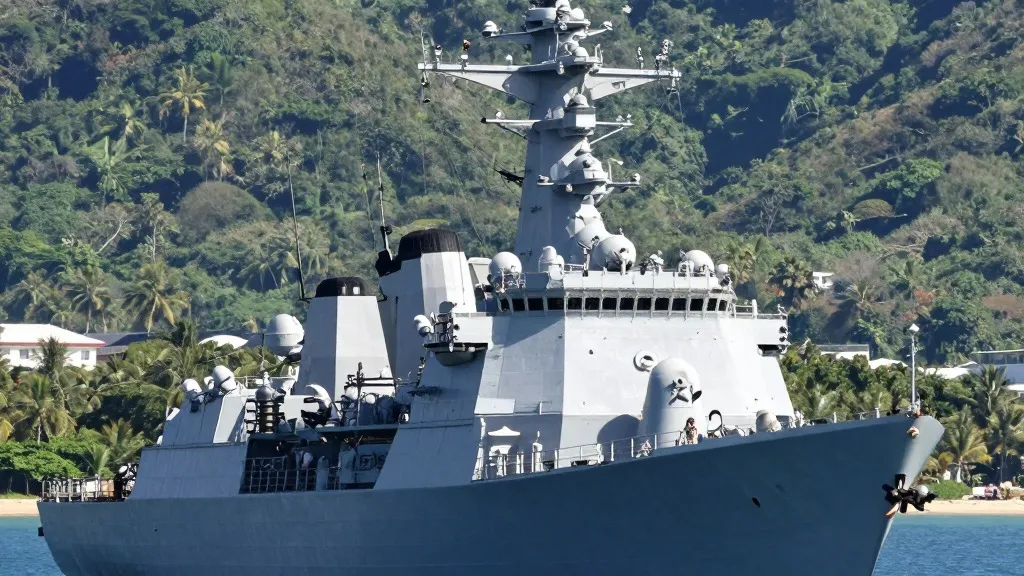
President Donald Trump reinforced the message at a campaign rally in South Florida on Friday. He responded to a question from the crowd about Cuba by reviving an idea he had floated earlier in the year but had not discussed in recent months. Trump described a scenario where US warships returning from the Iran war would stop near the island. He estimated the ships would halt about 50 yards off the coast. He joked that the sailors would raise their hands and that he would then send Rubio to finish the deal.
The rally took place just days before midterm elections. Voters in the district have expressed concern about how the ongoing conflict in Iran is affecting consumer prices. Rising costs for goods such as gasoline and groceries have become a central issue in local campaigns. Trump's comments served to connect the foreign policy narrative with domestic economic concerns for his base.
Cuban officials reacted quickly to the US statements. Carlos Fernandez de Cossio, the deputy foreign minister, mocked the approach on X. He described the US as resorting to public recruitment for the CIA. He added that the agency must be in a state of desperation or misery to sell its services like a tube of toothpaste. This response highlights the continued diplomatic tension between the two governments.
Trump and Rubio have both adopted an aggressive stance toward Havana. Trump suggested that Cuba would be the next target for intervention after the Iran war concludes. He noted that previous presidents had considered intervening for decades but implied he would be the one to execute the plan. In May, the two officials raised the prospect of military action. This threat carried more weight after the administration announced criminal charges against former Cuban leader Raul Castro. Rubio argued that Cuba poses a national security threat due to its ties to US adversaries. He said the administration prefers a peaceful resolution but doubts it is possible with the current government.
In a September 29 interview on Fox News, Rubio described Cuba as having already fallen. He characterized the country as having a non functional economy and leaders preaching a dead revolution. He expressed hope that Cuba would choose a different path and stated that the US would never allow the island to become a base of operations against American interests. He did not mention any CIA operation during that interview.
Diplomatic efforts have been uneven in recent months. Rubio and other senior aides met with Cuban officials to explore better relations, but the US side was unimpressed by the outcomes. This led to the imposition of additional sanctions. At the United Nations General Assembly last month, Trump said Rubio was deep into negotiations. Days later, he told reporters he expected a deal and did not think the military would be needed. However, the two governments clashed at the UN earlier this week as Washington sought to build opposition to a vote condemning the US economic embargo.
The stakes for the region are high given Cuba's ongoing economic and energy crisis since 2020. The island's gross domestic product has shrunk, and its 10 million residents have faced blackouts, food shortages, and high inflation. Waves of protests have occurred, and hundreds of thousands of Cubans have emigrated, many to the United States. These demographic and economic shifts add urgency to the US strategy of encouraging internal change.
Source: The Guardian
More Business · World news · Bad Service · Report a business