Tesla Commences Cybercab Customer Deliveries Ahead of 2026 Deadline
The EV maker will begin handing over its autonomous two-seater to private buyers before the end of the year, though most units will remain in company-owned robotaxi fleets.
By Isabella Morales ·
Tesla has set a definitive timeline for private customers to take possession of its Cybercab, confirming that deliveries of the purpose-built autonomous vehicle will commence before the end of 2026. This announcement, made during the company’s third-quarter earnings call on October 21, resolves months of uncertainty regarding whether the steering-wheel-less car would reach individual owners in the immediate future or remain exclusively part of the corporate robotaxi fleet.
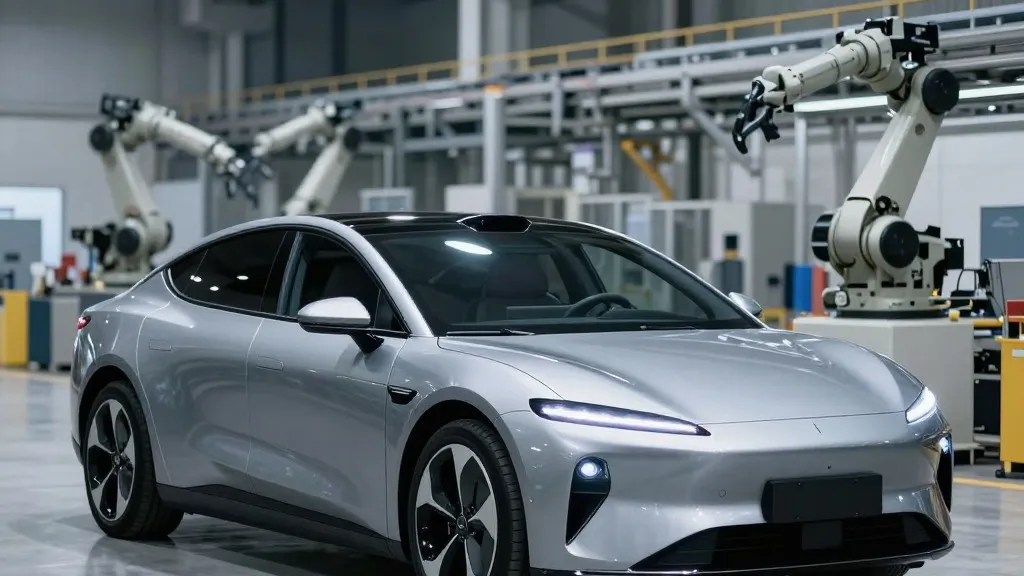
The path to this milestone began in February when production of the Cybercab officially started at Gigafactory Texas. For the first several months, the vehicles produced were not intended for retail sale but were instead integrated directly into Tesla’s internal operations. By early September, the company had begun using these units to offer unsupervised rides to the public, marking the first real-world deployment of the fully autonomous two-seater.
Lars Moravy, Tesla’s Vice President of Engineering, clarified the current status of the vehicle on the earnings call. He stated that production is actively underway on the line in Texas, but every unit rolling off the assembly line is currently being assigned to the company’s own robotaxi fleet. Moravy noted that the goal is to have these vehicles in the hands of customers by December 31, 2026, signaling a transition from a purely corporate service model to a broader distribution strategy.
The shift to customer ownership will be gradual. Moravy explained that initial deliveries will be limited in scope, allowing Tesla to refine its logistics, manage fleet operations, and test ownership models outside of direct corporate control. This phased approach is designed to mitigate risks associated with delivering fully autonomous hardware to third parties who will be responsible for maintenance and insurance.
CEO Elon Musk emphasized that the Cybercab is fundamentally different from Tesla’s other consumer vehicles, such as the Model 3, Model Y, or the upcoming Roadster. Musk described the vehicle primarily as a "transport-as-a-service" product rather than a traditional personal car. He asserted that the "vast majority" of Cybercabs will remain Tesla-owned, suggesting that private ownership will be a niche market rather than the primary revenue driver for the model.
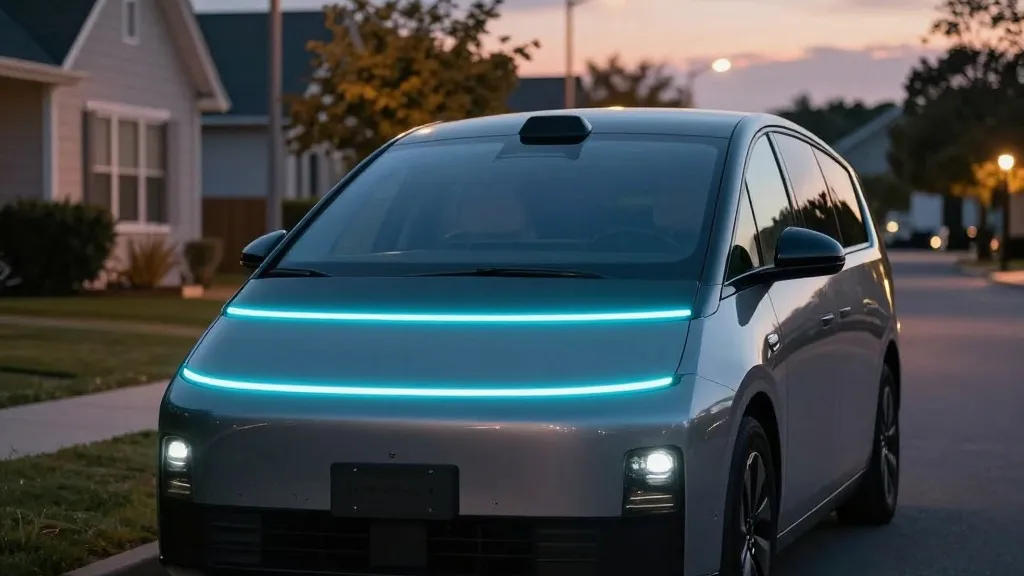
The Cybercab is a two-seater vehicle that lacks a steering wheel and pedals, relying entirely on Tesla’s Full Self-Driving software suite. The company has previously indicated a target price of approximately $30,000 for the vehicle. Its design reflects a move away from human driver interfaces, positioning it as a pure automation platform for urban mobility.
While the delivery timeline for the Cybercab is set, other autonomous features are on a slower track. Ashok Elluswamy, Tesla’s Head of AI, indicated during the call that unsupervised Full Self-Driving capability for consumer cars is expected to ship in the second quarter of 2027. This suggests that while the Cybercab will be delivered first, the broader fleet of standard Tesla models will gain full autonomy later.
Despite the confirmed dates, several hurdles remain before widespread delivery. Early buyers or fleet operators may face geographically restricted autonomous capabilities due to varying regulatory environments and the pace of agency approvals. These constraints could limit the operational range of the vehicles for the first cohort of customers, requiring them to navigate local traffic laws and infrastructure limitations while the technology matures.
Source: Teslarati