Middle East Security: US Intelligence Flags Advanced Iranian Threats
New intelligence reveals Iran is moving toward lethal plots against Americans abroad, prompting immediate staffing cuts at key embassies.
By Anna Nowak ·
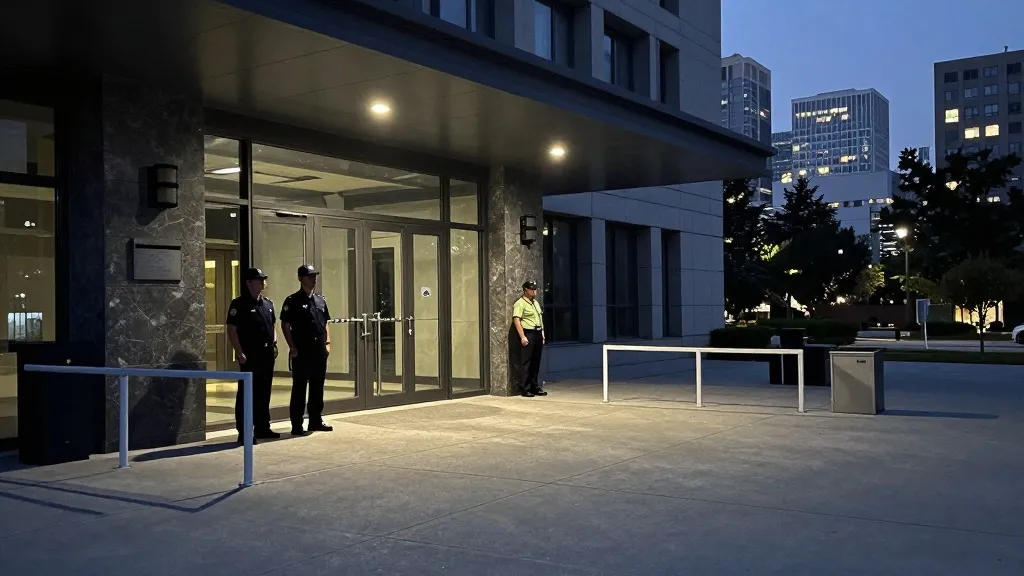
The United States has moved to protect its diplomatic personnel in the Middle East after intelligence agencies confirmed that Iran has reached the advanced stages of planning attacks on US citizens abroad. This latest development places American staff in the region on high alert as the threat level rises. The shift in posture comes at a critical moment for working families and public officials who rely on secure infrastructure and stable foreign policy to maintain safety and economic stability.
Director of National Intelligence Jay Clayton issued an internal memo to Secretary of State Marco Rubio detailing the new assessment. The document states that Iran has substantially increased its efforts to target US personnel overseas. According to the intelligence, lethal plots are now in the final phases in the Middle East and other countries. The New York Times reported that threats to specific officials, including ambassadors, have been assessed in recent weeks. Iran has also identified potential targets in Europe, and some intelligence suggests operatives are already active within the United States.
US officials told the Times that the threat to US citizens in the Middle East is at its highest level since the war began on February 28. The situation has intensified as the US and Israel prepare for a potential new military campaign following next month's mid-term elections. President Donald Trump noted on Friday that the US may execute another major strike. In response to the escalating danger, the State Department announced the removal of non-essential staff from the embassy in Saudi Arabia on Wednesday. This decision was driven by attacks on Saudi infrastructure by the Iran-backed Houthis. Quiet reductions are also occurring at missions in the United Arab Emirates, Bahrain, Kuwait, Qatar, Jordan, and Lebanon.
Iran has not publicly responded to the memo, but its leadership has signaled a more aggressive stance. Revolutionary Guard spokesman Hossein Mohebbi stated on Wednesday that Tehran would adopt an offensive strategy if US attacks resume. He claimed that the quality, range, and power of Iranian missiles have improved. Pentagon data confirms that 21 US military personnel have been killed in the Middle East since the conflict began. These numbers reflect a growing cost to the public and the families of service members deployed in the region.
The stakes extend beyond military personnel. Iranian security chief Mohsen Rezaei warned that undersea communications cables, data centers, and artificial intelligence facilities could be targeted if war resumes. Reuters reported that Tehran has detailed plans for such strikes. These digital and physical targets are vital for modern business and public health infrastructure. A US official told the Times that Houthi attacks and Iranian terror plots are driving the current decisions to pull staff from the field.
This pattern of threats aligns with long-standing US accusations of Iranian plotting. In March, a US court convicted a Pakistani national of plotting to assassinate President Trump on orders from the Revolutionary Guard. In 2022, a Guard member was charged with arranging the killing of former national security adviser John Bolton. Last year, the intelligence community warned that Iran would continue to threaten US persons globally. This month, the US pulled bombers from an airbase in England after a security incident, leading to the arrest of several men suspected of working with Iranian intelligence. The current alert level represents a significant escalation in these ongoing efforts.
The diplomatic and military communities are now operating under the assumption that the window for surprise is closing. As the US prepares for potential new operations, the focus remains on protecting personnel and critical infrastructure. The coming weeks will test the resilience of both the diplomatic corps and the public systems that rely on secure international connections.
Source: Al Jazeera